
Unveiling Autism: The Hidden Superpowers of Extraordinary Minds!
"Unveiling Autism: The Hidden Superpowers of Extraordinary Minds" emphasizes valuing the unique strengths of autistic individuals rather than focusing solely on challenges. Embracing neurodiversity recognizes that neurological differences are natural. Many autistic people exhibit exceptional traits like hyper-systemizing, intense focus, pattern recognition, unfiltered honesty, and sensory precision, which can lead to mastery in various fields. Notable historical figures believed to be on the spectrum include Alan Turing, Temple Grandin, Greta Thunberg, and Satoshi Tajiri, who used their distinctive abilities to make significant contributions to their fields.

7 Inspiring Autistic Individuals Changing the World
Individuals with autism have had a profound impact on the world through their unique perspectives, focus, and innovations. Key figures include Temple Grandin, who revolutionized livestock handling and advocates for autism; Greta Thunberg, a climate and neurodiversity activist; Anthony Hopkins, an acclaimed actor diagnosed with Asperger's; Satoshi Tajiri, the creator of Pokémon; Hannah Gadsby, a comedian redefining comedy while discussing autism; Stephen Wiltshire, an artist known for detailed memory-based cityscapes; and Dan Aykroyd, an actor and comedian influenced by his autistic traits. These individuals demonstrate the exceptional contributions and diverse capabilities of people with autism.

Autism basics: Spotting early signs in toddlers without worry.
Spotting early signs of autism in toddlers involves observing patterns of behavior rather than isolated instances. Key differences typically appear in social communication and repetitive behaviors. Social communication signs include limited joint attention, inconsistent response to names by 12 months, lack of gestures by 12–14 months, limited social smiling, and brief eye contact. Repetitive behaviors include unusual play, repetitive movements, strict routines, and distinct sensory reactions. Healthcare providers look for red flags such as no babbling or pointing by 12 months, no single words by 16 months, and no two-word phrases by 24 months, as well as any regression at any age. Consistent patterns warrant discussion with a pediatrician, with standard screenings at 18 and 24 months. For concerns, tools like the Social Communication CheckUp can help track development.

Building Relationships: Dating as an adult with autism
Dating as an adult with autism involves navigating social nuances, where success often comes from genuine connections rather than traditional dating rules. Embracing radical transparency and prioritizing shared interests are key strategies, helping reduce anxiety and build trust. It's important to manage sensory needs by choosing comfortable date environments and practicing soft disclosure by sharing specific needs rather than a full diagnosis immediately. Practical tips include keeping first dates short, using written communication for processing information, setting clear boundaries, and handling rejection with perspective. Utilizing specialized apps like Hiki and guided workbooks can provide valuable support and guidance.
Using Visual Supports to Aid Learning in Children with ASD
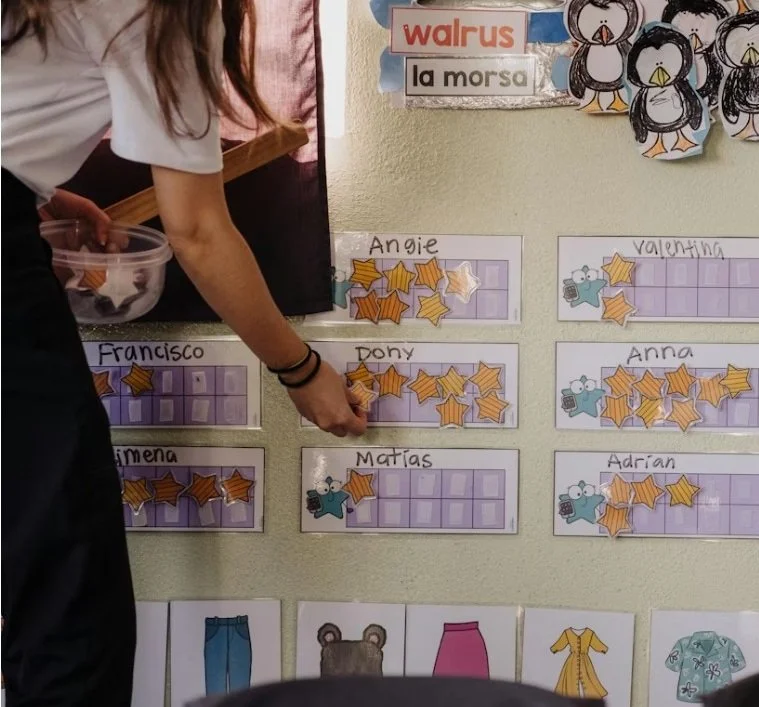
Visual supports are tools used to help children with Autism Spectrum Disorder by utilizing their strong visual processing abilities to improve communication and decrease anxiety. These supports, including visual schedules, first-then boards, choice boards, social stories, and visual timers, help children with routine, motivation, autonomy, and understanding social situations. They offer benefits like reduced anxiety, increased independence, improved behavior, and enhanced skill learning. To effectively implement visual supports, start simple, customize visuals, pair with language, and maintain consistency across environments. Various resources are available for creating visual supports, including bundles and systems found on platforms like Etsy and Teachers Pay Teachers.

How to support siblings of individuals with autism
To support siblings of individuals with autism, it is essential to validate their feelings, provide age-appropriate education, and dedicate individual attention to them. Key strategies include acknowledging their complex emotions, setting aside special one-on-one time, connecting them with peer support groups, and celebrating their achievements. Educate them with age-appropriate information about autism, involve them in future care discussions, and help them explain autism to peers. At home, establish fair responsibilities, encourage shared activities, and ensure they have a personal space to retreat to when needed.

Art therapy as a form of expression for individuals with autism
Art therapy provides a way for individuals with autism to express emotions nonverbally, reduce anxiety, and improve sensory processing. It emphasizes the creative process, enhancing communication, self-expression, and cognitive flexibility in a safe space. Key benefits include nonverbal communication, emotional regulation, sensory exploration, self-esteem building, and social skill development through group activities. Techniques like sensory activities, free expression, visual aids, and collaborative art are tailored to individual needs. Overall, art therapy effectively contributes to emotional well-being, social growth, and confidence as part of a comprehensive treatment plan.
5 Common Myths about Autism
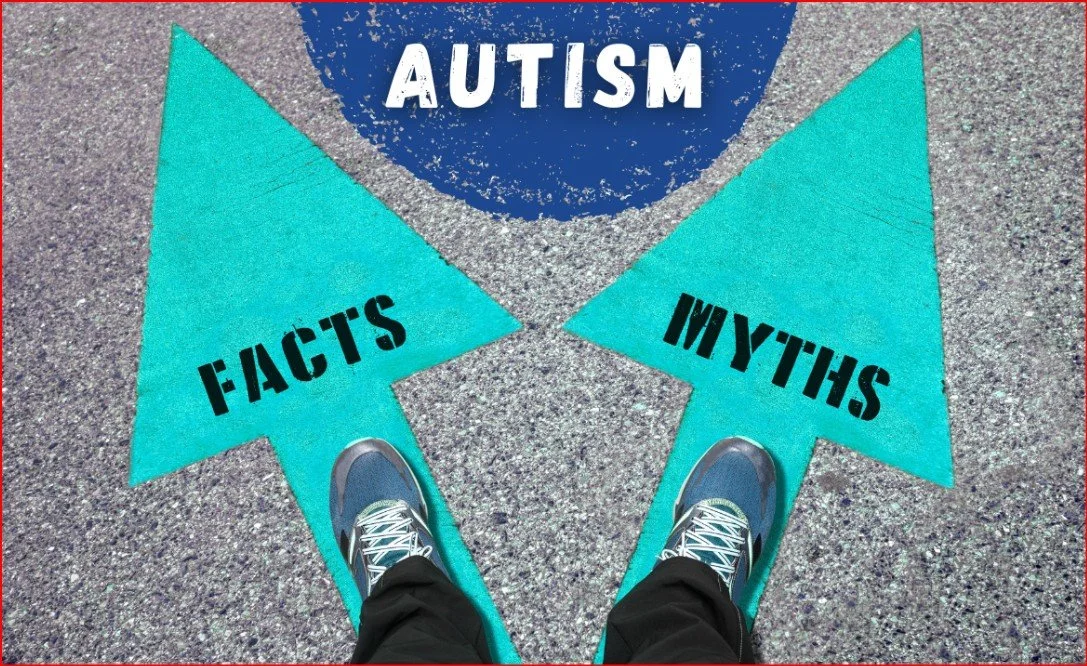
Autism affects all genders, but girls may be underdiagnosed. It is a neurodevelopmental condition with genetic roots, not caused by parenting. Autistic individuals value friendships and feel emotions deeply, though they may express them differently. Not all autistic people have savant abilities, as autism is a broad spectrum with varied traits. Autism is lifelong, and while individuals can improve skills, they do not outgrow it.
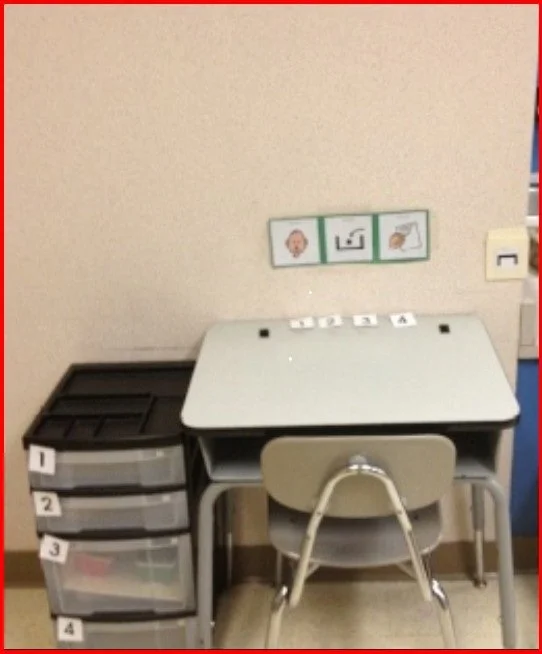
10 Effective Teaching Strategies for Students with Autism
Establish predictable routines and use visual schedules to reduce anxiety for students with autism. Use clear, direct, and literal language, avoiding idioms and providing processing time. Break tasks into smaller steps with visual supports, and create a sensory-supportive environment by minimizing sensory overload. Incorporate students' special interests into lessons to enhance engagement, and use positive reinforcement with specific praise. Provide sensory and movement breaks to help students self-regulate, using sensory tools and calm-down corners.

My Child needs a doctor appointment! SOS!
When your child is unwell, knowing when to seek medical care is crucial. Differentiate between regular check-ups for monitoring growth and urgent care for sudden issues like high fever or severe injuries. Common reasons for doctor visits include vaccinations, physicals, or persistent symptoms. Immediate medical attention is needed for high fevers, breathing difficulties, or unusual symptoms. If in doubt, observe if your child’s behavior is unusually odd and gather their medical history before visiting the doctor.

I need rest! Sleep issues in autism
Many autistic individuals face sleep challenges, with research showing that 50% to 80% of children and a significant number of adults experience these issues.Common sleep problems include difficulty falling asleep due to racing thoughts, frequent night awakenings, a delayed sleep phase, and waking up too early.
Root causes can include melatonin dysregulation, sensory sensitivities, and co-existing conditions like anxiety or ADHD.
To improve sleep, consider optimizing the sleep environment with blackout curtains and comfortable bedding, establishing a consistent bedtime routine, managing light exposure, using sensory tools like weighted blankets, and trying cognitive shuffling to calm the mind. Consult professionals if strategies do not help.
Why is structure essential in the home?
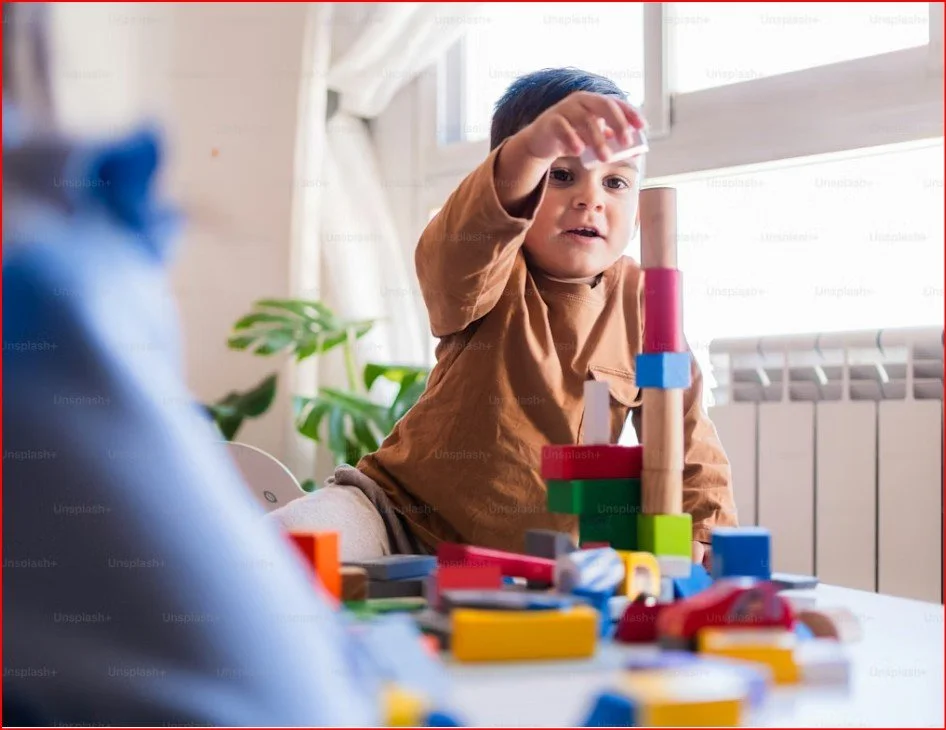
Structure at home acts as the "operating system" for daily life, influencing mood and productivity.It is essential for mental well-being and efficiency.Establishing a routine and organized space reduces decision fatigue, conserving mental energy for more important tasks.A structured environment lowers stress by combating clutter, sending calming signals of order, which helps to ease anxiety.
Additionally, structure enhances productivity by creating conditions for "flow," making it easier to start tasks and reduce procrastination. For families, it provides predictability and security for children, helping them feel safe and reducing anxiety, which leads to a more harmonious home. Finally, maintaining discipline in household tasks paradoxically increases true free time, allowing for guilt-free relaxation by ensuring chores do not interfere with leisure hours.
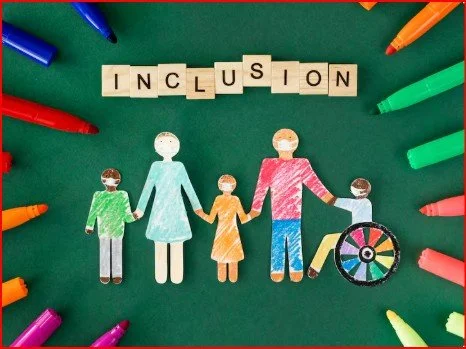
Discussing the importance of inclusion and acceptance for individuals with autism
True inclusion and acceptance are essential for autistic individuals to thrive. They improve mental health, foster self-worth, support development, and promote independence. Inclusive environments also benefit society by encouraging empathy, creativity, stronger communities, and innovation. Conversely, exclusion leads to stigma, isolation, barriers in education and employment, and sensory overwhelm. Promoting inclusion requires centering autistic voices, creating accessible spaces, challenging stereotypes, providing individualized supports, and using respectful language.

Creating a Sensory-Friendly Home for Individuals with Autism
A sensory-friendly home for individuals with autism minimizes triggers and supports regulation across all senses. Key strategies include using soft lighting, calming colors, and minimal clutter; reducing noise with rugs, curtains, and headphones; avoiding strong scents; providing soft textures and comfortable clothing; offering movement and deep-pressure options like swings or weighted blankets; maintaining organization and visual schedules for predictability; and setting up a calm, quiet space for relaxation.

Why structure is essential in the home
Structure is crucial for children with autism, as it reduces anxiety and enhances predictability and safety. It aids in managing sensory input, easing transitions, and developing skills like communication and independence. Consistent routines with visual supports boost confidence and autonomy. Key benefits include reduced anxiety through predictable routines, easier transitions, skill development through repetition, promoting independence, and managing sensory needs with a calm environment. Effective structure involves establishing consistent routines, using visual aids, setting clear expectations, allowing some flexibility, and creating a calm, organized space.


Networking: Like-minded friends
Join online communities, attend local events, volunteer, and engage in hobbies to meet like-minded people. Use social media to connect over shared interests. Build genuine relationships by being authentic and showing interest in others. Offer help and share knowledge. Maintain connections by staying in touch and collaborating. Be patient and persistent as you build your community.

I need rest! Sleep issues in autism
Individuals on the autism spectrum often face sleep difficulties, but behavioral and medical strategies can help. Maintaining a consistent sleep schedule, creating a sensory-friendly environment, and having a calming bedtime routine are beneficial lifestyle strategies. Limiting screen time before bed and promoting healthy daytime habits, like regular exercise and balanced meals, also support better sleep. Medically, melatonin supplements may assist with sleep onset, but a doctor's guidance is crucial. If behavioral methods are insufficient, doctors might suggest other medications alongside these strategies. For ongoing sleep issues, professional help from a doctor or sleep specialist is recommended, and maintaining a sleep diary can aid in identifying patterns and underlying causes such as anxiety.

Revolutionizing Learning by Embracing Autism in the Classroom
The article emphasizes the importance of embracing the unique strengths and learning styles of autistic students to create inclusive and enriching classroom environments. Here’s a summary of key points:
1. Recognize Strengths: Autistic students often excel in attention to detail, have deep expertise in specific subjects, think visually, possess exceptional memory, and demonstrate strong logical reasoning. Educators should leverage these strengths in their teaching.
2. Supportive Environments: Classrooms should have clear routines, sensory-friendly adjustments, and visual supports. Promoting inclusivity and encouraging social interactions are essential to reduce isolation and enhance learning.
3. Neurodiversity-Affirming Practices: Focus on the strengths of autistic students, use respectful language, honor diverse communication styles, and incorporate various teaching methods. Teaching self-advocacy helps students express their needs and gain independence.
Overall, by valuing neurodiversity and implementing these strategies, educators can unlock the potential of autistic students and enhance the learning experience for all students.