

How to handle meltdowns in public places without stress
Handling a child's public meltdown without stress involves focusing on their emotional regulation rather than worrying about onlookers. Firstly, calm yourself through deep breathing, relaxing your body, and using mental mantras to anchor your nervous system. Control the environment by reducing sensory overload and relocating the child to a quieter area if necessary, while ignoring spectators. To de-escalate, get on the child's level, validate their feelings without bargaining, and offer comforting touch if welcome. Proactively prevent future meltdowns by setting clear expectations before outings, bringing distractions like fidget toys, and providing transitions with countdown alerts.

Common Misconceptions About Autism and How to Educate Others
Autism Spectrum Disorder (ASD) is often misunderstood as a disease or uniform childhood issue, but it is actually a lifelong neurodevelopmental difference, with varied traits and support needs across individuals. Educating others involves dispelling myths and promoting acceptance by embracing neurodivergent individuals as they are. Contrary to misconceptions, autism is not a condition to be cured, does not automatically confer savant abilities, and does not indicate a lack of empathy. It affects all genders, not just boys, and is not caused by vaccines or parenting. Effective education includes using respectful language and amplifying autistic voices through resources like the Autistic Self Advocacy Network.

Beyond the Spectrum: Innovative Approaches to Autism in Schools!
Innovative school approaches for autism focus on inclusivity by adapting environments to the child's needs rather than enforcing neurotypical norms. Emphasizing strengths-based, neurodiversity-affirming models, these approaches transform classrooms into sensory-responsive spaces with noise-canceling headphones, weighted blankets, and flexible zones for sensory relief. Assistive technologies like VR simulators and AI-driven personalized learning enhance social skills and curriculum adaptation, while sensory wearables monitor stress levels. Interventions include strengths-based strategies and peer-mediated modeling, encouraging organic integration within schools. These methods replace traditional therapy sessions with participatory, inclusive, and multidisciplinary approaches, fostering well-being and autonomy for autistic students.

Breakthrough Autism Intervention Tips That Will Make a Difference in Your Child's Development!
Early autism interventions focus on individualized strategies that blend behavioral therapies with daily routines, emphasizing visual schedules to reduce anxiety, using the 6-second pause for processing, and encouraging communication through child-led play. Key approaches include implementing visual supports, mastering the 6-to-10-second rule for processing time, using naturalistic developmental behavioral interventions to integrate structured learning with play, teaching self-advocacy with choice boards, and prioritizing parental involvement, which is critical for consistent skill reinforcement. Engaging with support groups and community resources can also aid in stress management and parenting strategies.
Encouraging Independence in Children with Autism through Positive Reinforcement
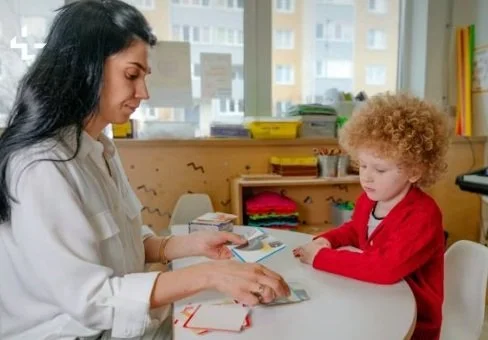
Positive reinforcement is a powerful tool for promoting independence in children on the autism spectrum by associating independent behaviors with rewards. This involves breaking down tasks into small steps, using visual aids, and selecting appropriate reinforcers like tangible, activity-based, social, or natural rewards that motivate the child. Deliver rewards immediately and specifically, celebrate progress, and implement token economies for longer tasks. Support the child's independence by providing prompts with ample processing time and gradually fading assistance and reinforcements as the skill becomes habitual.
How to Effectively Communicate with Your Child on the Autism Spectrum
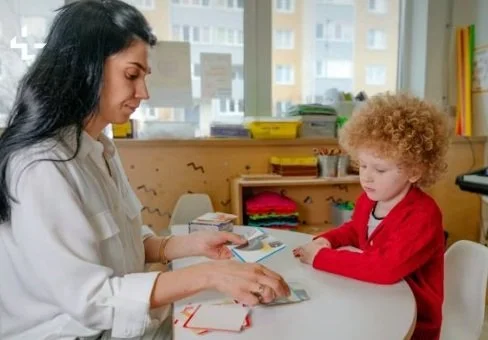
Communicating with a child on the autism spectrum involves patience and clarity, focusing on simple, direct language and providing visual aids to support understanding. Strategies include using straightforward instructions, allowing extra processing time, and engaging with the child’s interests. Employ the six-second rule by waiting quietly after giving an instruction, and enhance communication with visual supports like picture cards. During play, follow the child’s lead and gently expand on their actions or words. Avoid idioms and sarcasm, as these can be confusing due to literal interpretation.

A guide to finding the best noise-canceling headphones for children on the autism spectrum.
Top noise-canceling headphones for kids in 2026 focus on safety, featuring volume limits capped at 85 dB, durable designs, and comfortable fits, exemplified by models like the JBL Junior 470NC. Key features include active noise cancellation (ANC) for minimizing background noise, volume limiting for hearing protection, and adjustable decibel settings to suit different environments. Comfort is enhanced with padded headbands, over-ear cups, and adjustable sizing for growth. Safety materials (BPA-free plastics, lead-free parts) and connectivity options (Bluetooth 5.0, wired backup) are prioritized. Durable designs include flexible frameworks, foldable construction, and hard-shell travel cases to ensure longevity and convenience.

How to handle meltdowns in public places without stress.
Handling public meltdowns effectively involves staying calm, validating feelings, and minimizing reactions to onlookers. Key strategies include moving to a quieter area, maintaining a neutral presence, and preventing overstimulation by bringing snacks and toys. Immediate actions involve removing the child from the environment to process emotions privately, staying calm without displaying frustration, and focusing entirely on the child while ignoring judgmental stares. Validate their feelings by acknowledging them at eye level and offering physical reassurance like a hug. Prevent stress by preparing snacks, setting clear expectations, offering limited choices, and identifying triggers like hunger or fatigue. Avoid giving in to demands, excessive explanations, and rushing the process; instead, allow emotions to subside naturally while ensuring safety.

Exploring different types of therapy for individuals with autism
Therapies for autism emphasize building individual strengths, promoting independence, and supporting communication and emotional regulation rather than seeking a single cure. A multidisciplinary approach tailors interventions to unique needs throughout life. Behavioral and developmental interventions include Applied Behavior Analysis (ABA), Pivotal Response Treatment (PRT), Early Start Denver Model (ESDM), and DIR/Floortime, focusing on communication, social skills, and motivation. Core therapies like speech-language pathology (SLP), occupational therapy (OT), sensory integration, and social skills training (SST) enhance communication and functional independence. Psychological support includes Cognitive Behavioral Therapy (CBT) and Dialectical Behavior Therapy (DBT) for emotional regulation and trauma-informed therapy for trauma processing. Creative therapies like music and art therapy, along with animal-assisted therapy, offer nonverbal self-expression and sensory engagement.
Encouraging Independence in Children with Autism through Positive Reinforcement
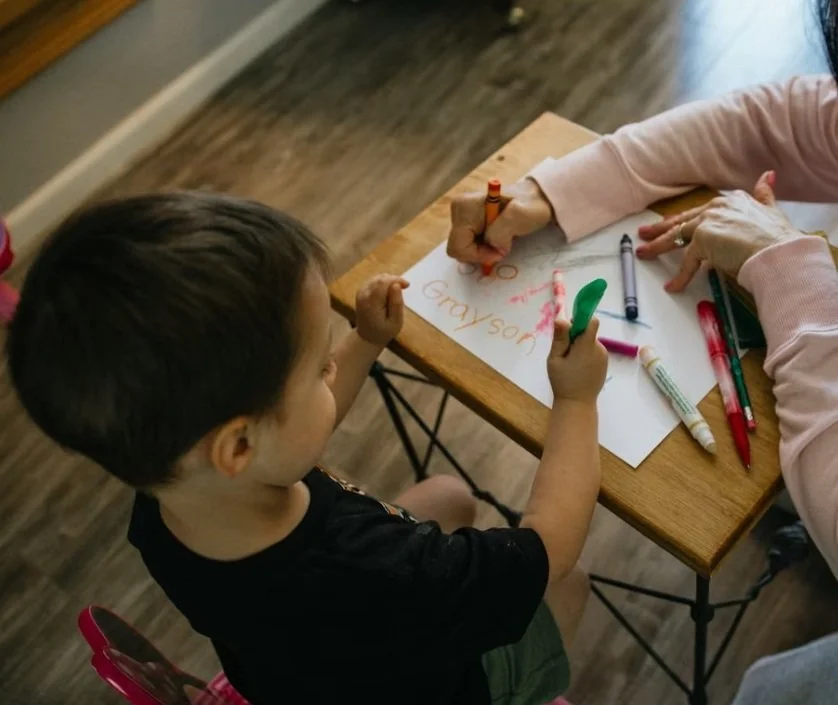
Positive reinforcement is an effective method to boost confidence and independence in children with autism by providing immediate rewards after desired behaviors. Effective reinforcers are personalized and can include social praise, tangible items, activity-based rewards, token economies, or natural consequences. Strategies to promote independence include task analysis and chaining, breaking down tasks into smaller steps and reinforcing progress through forward, backward, or total task chaining. Visual supports and environment matching involve using visual aids, schedules, and sensory accommodations to ease transitions and clarify expectations. Structured autonomy through decision-making allows children to make choices, reinforcing independence, while prompt fading and schedule adjustments gradually reduce adult intervention, promoting self-reliance.

Unlock Your Child's Potential: Game-Changing Autism Intervention Tips Revealed!
Supporting a child with autism involves a blend of professional therapies, like Applied Behavior Analysis and Speech and Occupational Therapy, along with play-based interventions and daily home strategies that emphasize the child’s strengths. Parents are the child’s most influential teachers, particularly when interventions are integrated into daily routines. Effective support combines clinical therapies with home activities, utilizing techniques such as the 6-second rule for communication, building predictability through consistent schedules, and using visual supports. Emphasis on early intervention leverages brain plasticity, increasing the chances for communication breakthroughs and potentially reducing autism symptom severity through responsive caregiving.

Creating a Structured Routine for Children on the Autism Spectrum
Establishing a structured routine aids children on the spectrum by providing predictability, thus reducing anxiety and boosting confidence. Key principles include using visual supports like pictures or lists to make time tangible, maintaining consistency in daily events, providing clear transitions with warnings, and balancing high-energy tasks with quiet breaks. The daily schedule should start with a morning routine that includes a visual checklist and sensory activities. For learning, use tools like First/Then Boards and Time Timers to manage tasks and durations. After school, allow time for sensory decompression and maintain low verbal demands. In the evening, reduce stimuli gradually and follow a predictable bedtime routine. Additional tips include using surprise cards to prepare for change, involving the child in choices to foster agency, and starting with small routine changes before expanding. Tailoring a specific visual schedule requires knowing the child’s age, challenging times of day, and interests for motivation
Proven Autism Intervention Strategies for Parents to Implement
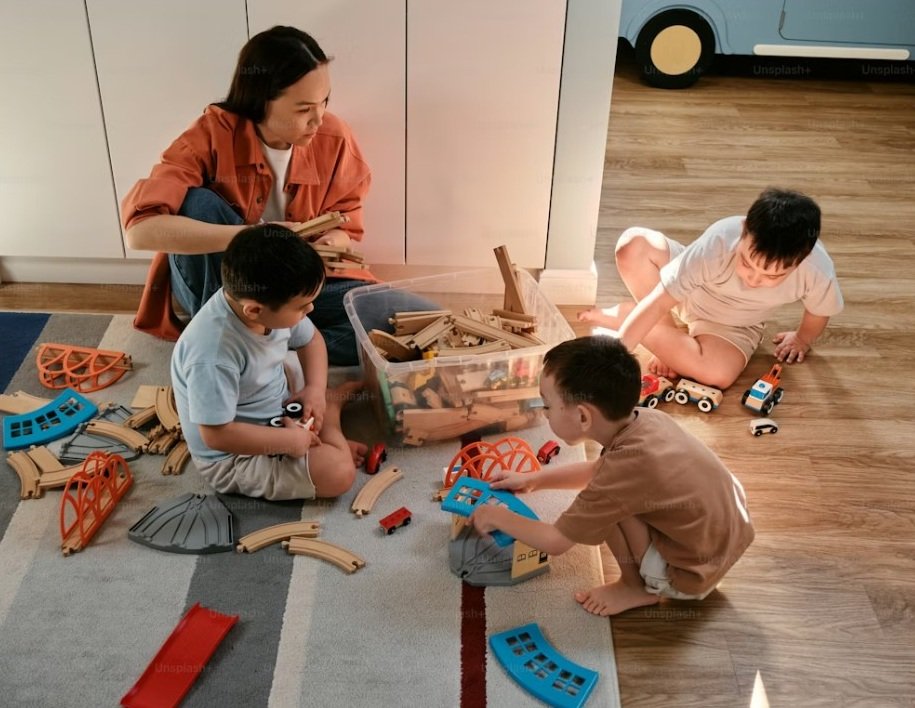
Parent-mediated interventions (PMI) effectively integrate strategies into daily routines, with active parent involvement being a key predictor of long-term progress. Core behavioral strategies, based on Applied Behavior Analysis (ABA), include positive reinforcement, antecedent modification, differential reinforcement, and errorless teaching to encourage desired behaviors and prevent frustration. Communication can be enhanced with the 6-second rule, Functional Communication Training (FCT), simplified language, and environmental arrangement using clear containers for natural communication prompts. Visual and environmental supports like schedules, structured spaces, and sensory accommodations help reduce anxiety and support self-regulation. Leveraging a child's special interests, such as using dinosaur toys for learning, can further aid skill development.

How to Effectively Communicate with Your Child on the Autism Spectrum
Connecting with an autistic child requires understanding their unique perspective and simplifying information. Use visual aids, like picture cards and social stories, and give them extra time to process information to strengthen bonds and support language development. Strategies such as using concrete language, modeling actions, and following the child's interests improve comprehension. Nonverbal techniques like exaggerated gestures, face-to-face interaction, and offering choices enhance communication, while methods like PECS, SGDs, and simple sign language assist nonverbal children. Focus on connection rather than correction by celebrating all communication attempts.

Navigating the School System: Advocacy Tips for Parents
Advocating for your child involves being their voice to ensure they receive necessary support. As a critical part of the educational team, prepare by keeping organized documentation and setting clear goals for meetings. Build relationships with teachers and follow the proper hierarchy if issues arise. Maintain effective communication by asking clarifying questions and using constructive "I" statements. During meetings, bring support and focus on solutions, ensuring agreements are documented. Know your rights under laws like IDEA and empower your child to advocate for themselves over time. Engage with local parent groups and remain persistent yet respectful in all advocacy efforts.

10 Essential Strategies for Supporting Neurodivergent Students in the Classroom
Supporting neurodivergent students involves implementing strategies that benefit the entire class. Use Universal Design for Learning to provide multiple ways for students to access information and express themselves. Establish clear routines with visual schedules and give advance notice for changes. Create sensory-friendly spaces by reducing bright lights or loud noises and designating calm areas. Utilize visual aids by color-coding materials and providing checklists. Break down instructions into manageable steps and use brain breaks to enhance focus. Foster executive function skills through time management tools and organized workspaces. Offer flexible seating like stools and standing desks, and focus on strengths-based teaching by linking lessons to student interests. Encourage peer support through buddy systems and inclusive discussions. Small environmental shifts can greatly improve the learning experience for all students.
12 Signs of Autism Spectrum Disorder Every Parent Should Recognize
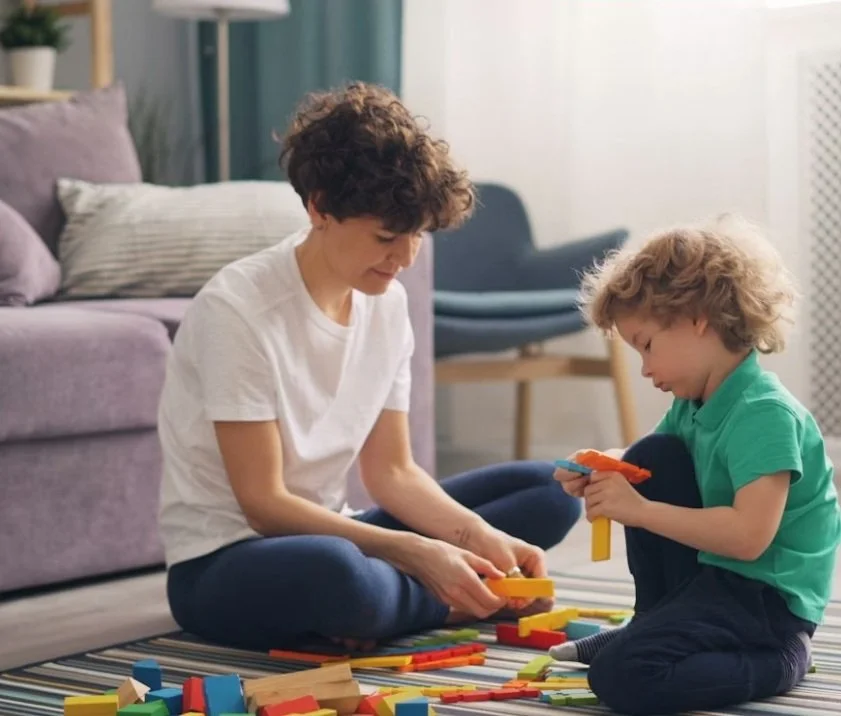
Early signs of Autism Spectrum Disorder often appear in late infancy or toddlerhood, and recognizing them can lead to beneficial early intervention. Parents should watch for social communication and behavioral patterns, such as limited or no eye contact, no response to name by 12 months, delayed speech milestones, lack of gestures, loss of previously acquired skills, and repetitive behaviors. Other indicators include restricted interests, resistance to change, sensory sensitivities, lack of pretend play, social disconnect, and unusual speech patterns like echolalia or monotone speech.

10 Effective Teaching Strategies for Students with Autism
Effective teaching for students with autism involves creating a structured, predictable, and sensory-friendly environment that leverages visual strengths. Use visual schedules and structured routines to provide predictability, and communicate using clear, literal language to accommodate their literal thinking. Break complex tasks into manageable steps through visual supports and task analysis, and maintain a sensory-friendly environment by controlling lighting and noise. Incorporate students' special interests to boost engagement, and use positive reinforcement to encourage academic and social behaviors. Allow sensory and movement breaks to prevent sensory overload, explicitly teach social skills through direct methods, and offer limited structured choices to empower students without causing anxiety. Collaboration with parents and professionals ensures consistency between home and school environments.

Must-Have Educational Toys for Children on the Autism Spectrum
When choosing educational toys for children on the autism spectrum, focus on sensory regulation, cause-and-effect learning, and fine motor development. Sensory tools like weighted blankets and liquid motion bubblers help with calming and concentration. Communication skills can be enhanced with visual schedule boards and talk buttons for non-verbal expression. STEM toys like magnetic building tiles and snap circuits leverage visual thinking strengths, while items like sensory swings and stepping stones improve movement and coordination. It's important to match toys to the child's sensory preferences, considering whether they seek or avoid stimuli like bright lights or loud noises.

Unveiling Autism: The Hidden Superpowers of Extraordinary Minds!
By 2026, autism support emphasizes understanding biology and honoring neurodiversity rather than modifying behaviors. Personalized care drives these advancements, utilizing precision medicine based on distinct biological subtypes, genetic mapping for tailored interventions, and targeted drug research for core symptoms. Acknowledging the gut-brain connection, microbiome testing is integrated into mainstream care. Technological innovations include AI tools for predicting sensory triggers, VR training for social skills, and wearable tools for sensory regulation. Telehealth supports collaboration among caregivers and therapists. Strategies increasingly affirm neurodiversity, empower caregiver-mediated interventions, and promote caregiver mindfulness, advocating for customizing environments to the child's needs rather than conforming the child to standard environments.