

A guide to finding the best noise-canceling headphones for children on the autism spectrum.
Top noise-canceling headphones for kids in 2026 focus on safety, featuring volume limits capped at 85 dB, durable designs, and comfortable fits, exemplified by models like the JBL Junior 470NC. Key features include active noise cancellation (ANC) for minimizing background noise, volume limiting for hearing protection, and adjustable decibel settings to suit different environments. Comfort is enhanced with padded headbands, over-ear cups, and adjustable sizing for growth. Safety materials (BPA-free plastics, lead-free parts) and connectivity options (Bluetooth 5.0, wired backup) are prioritized. Durable designs include flexible frameworks, foldable construction, and hard-shell travel cases to ensure longevity and convenience.

10 Effective Teaching Strategies for Students with Autism
Effective teaching for students with autism involves creating a structured, predictable, and sensory-friendly environment that leverages visual strengths. Use visual schedules and structured routines to provide predictability, and communicate using clear, literal language to accommodate their literal thinking. Break complex tasks into manageable steps through visual supports and task analysis, and maintain a sensory-friendly environment by controlling lighting and noise. Incorporate students' special interests to boost engagement, and use positive reinforcement to encourage academic and social behaviors. Allow sensory and movement breaks to prevent sensory overload, explicitly teach social skills through direct methods, and offer limited structured choices to empower students without causing anxiety. Collaboration with parents and professionals ensures consistency between home and school environments.
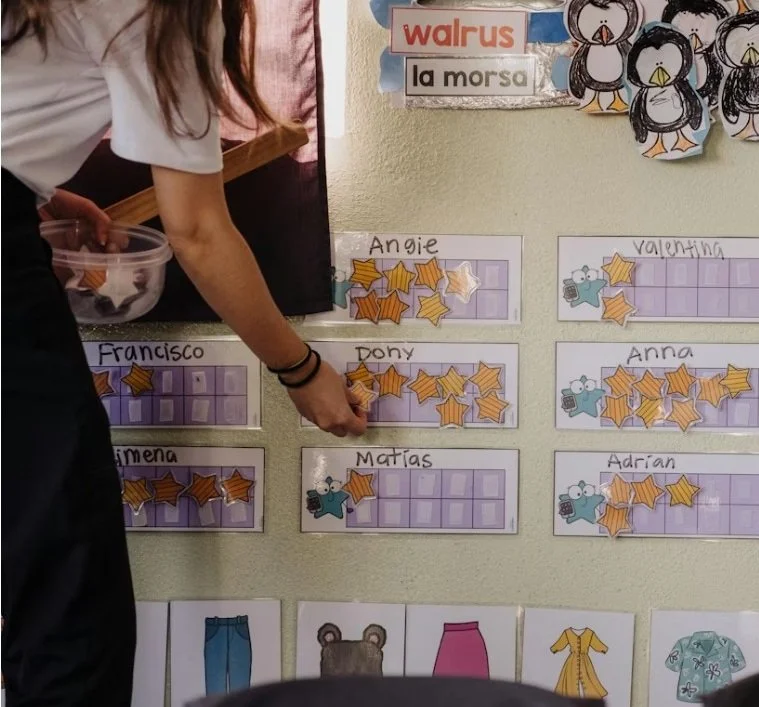
Using Visual Supports to Aid Learning in Children with ASD
Visual supports are tools used to help children with Autism Spectrum Disorder by utilizing their strong visual processing abilities to improve communication and decrease anxiety. These supports, including visual schedules, first-then boards, choice boards, social stories, and visual timers, help children with routine, motivation, autonomy, and understanding social situations. They offer benefits like reduced anxiety, increased independence, improved behavior, and enhanced skill learning. To effectively implement visual supports, start simple, customize visuals, pair with language, and maintain consistency across environments. Various resources are available for creating visual supports, including bundles and systems found on platforms like Etsy and Teachers Pay Teachers.
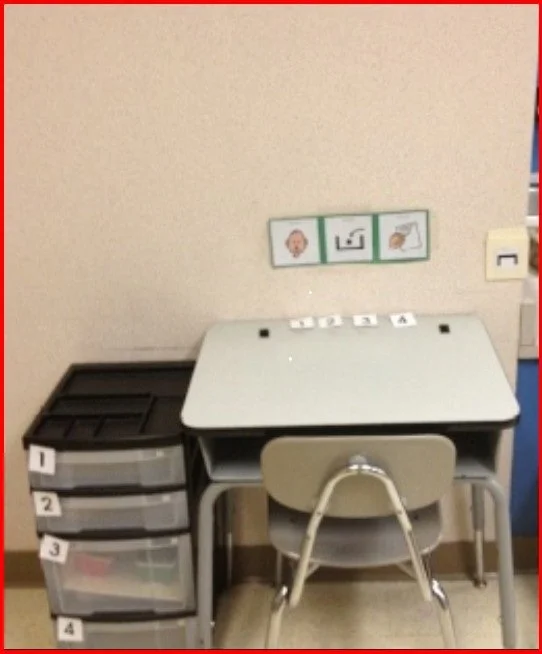
10 Effective Teaching Strategies for Students with Autism
Establish predictable routines and use visual schedules to reduce anxiety for students with autism. Use clear, direct, and literal language, avoiding idioms and providing processing time. Break tasks into smaller steps with visual supports, and create a sensory-supportive environment by minimizing sensory overload. Incorporate students' special interests into lessons to enhance engagement, and use positive reinforcement with specific praise. Provide sensory and movement breaks to help students self-regulate, using sensory tools and calm-down corners.

I need rest! Sleep issues in autism
Individuals on the autism spectrum often face sleep difficulties, but behavioral and medical strategies can help. Maintaining a consistent sleep schedule, creating a sensory-friendly environment, and having a calming bedtime routine are beneficial lifestyle strategies. Limiting screen time before bed and promoting healthy daytime habits, like regular exercise and balanced meals, also support better sleep. Medically, melatonin supplements may assist with sleep onset, but a doctor's guidance is crucial. If behavioral methods are insufficient, doctors might suggest other medications alongside these strategies. For ongoing sleep issues, professional help from a doctor or sleep specialist is recommended, and maintaining a sleep diary can aid in identifying patterns and underlying causes such as anxiety.

Bullying and ASD: Acceptance vs. Awareness
Mark, an autistic individual, is bullied by neurotypical classmates for his behaviors. He struggles to communicate his feelings and fears losing his friends if he speaks up. This bullying leads to anxiety, depression, and suicidal thoughts. It is common for individuals with autism to face challenges in forming and maintaining friendships. Research shows that peer intervention can stop bullying, so society must teach children to stand up for those who are different. Instead of just being aware of autism, we need to fully accept and embrace neurodivergent individuals without judgment. This acceptance should be taught from a young age and continue through adolescence to create a more inclusive society.

The Challenges Facing the Autistic Community
The challenges faced by the autistic community are diverse and impactful, including societal stigmas, barriers to accessing services, education and employment obstacles, sensory overload, healthcare disparities, communication challenges, and the importance of family and community support. Public perceptions and misconceptions contribute to the difficulties individuals face, along with limited access to timely diagnosis and support services. In education and employment, inclusive practices and accommodations are needed to ensure success. Sensory sensitivities can make everyday tasks overwhelming, requiring sensory-friendly environments for comfort. Navigating the healthcare system can be complex and challenging, with limited access to understanding providers and sensory-friendly environments. Overall, greater awareness, understanding, and support are needed to improve the lives of individuals in the autistic community.

FAPE: What Everyone Needs to Know!
FAPE, or free appropriate public education, is a legal right for students with disabilities to receive a free education that meets their unique needs. It is a cornerstone of the Individuals with Disabilities Education Act (IDEA). FAPE must be offered to every student, regardless of their disability. Denying FAPE can lead to increased liability, disability discrimination, compensatory education requirements, and IDEA damages. Educators and parents need to be aware of FAPE and ensure it is not denied. It is important to address any issues promptly and work together as a team to meet the needs of students with disabilities.

Networking: Finding the Support You Need and Deserve
Networking is essential for professionals in various fields, but it also extends to other groups like parents of autistic children, special education administrators, and special education teachers. Connecting with those in similar situations provides support, insight, and a sense of community. By building a strong network, individuals can feel less isolated and more empowered to thrive in their roles.
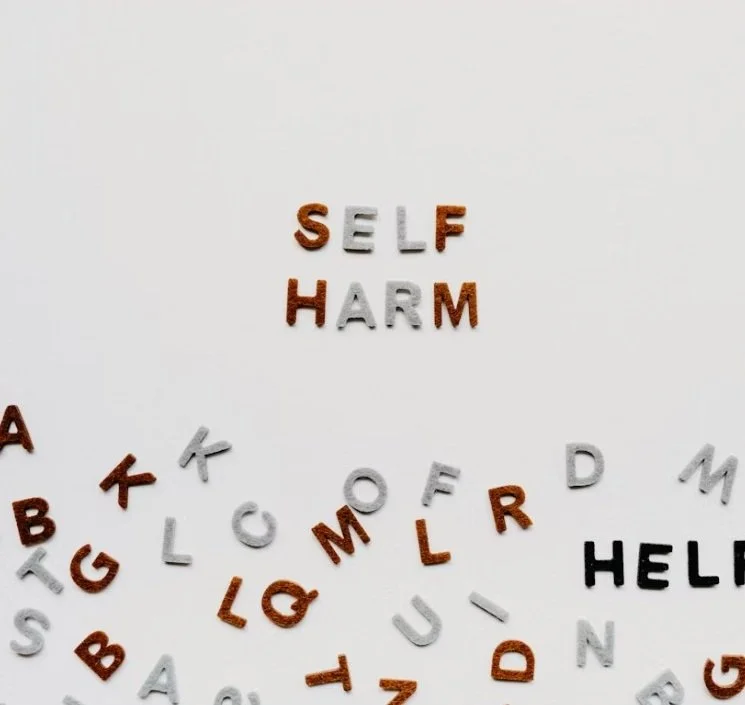
Just Breathe...Dealing with Self-Injurious Behavior in Autism
In this article, we explore the intricacies of self-injurious behavior in individuals with autism spectrum disorder and provide caregivers, educators, and professionals with the knowledge and tools necessary to manage and mitigate these challenging behaviors. When addressing self-injurious behavior in autism, consulting with healthcare providers and therapists is key to developing a comprehensive approach.

No Restraints Necessary…Teach Self-Regulation Skills to Students with Autism
Teaching self-regulation skills to children with autism is important for their emotional well-being and overall development. Children with autism face unique challenges in regulating their emotions and behaviors. By teaching self-regulation skills, children with autism can better cope with daily life and engage with the world around them. Strategies for teaching self-regulation skills include sensory regulation techniques, visual supports, social stories, and cognitive behavioral strategies. By fostering self-regulation, we can help children with autism thrive and reach their full potential.

Not all Heroes Wear Capes. Some Wear Blankets.
Autism can be considered a superpower, with individuals displaying unique abilities like memorizing all the original Pokémon or hearing whispers. Parents and teachers go the extra mile to provide the necessary support and skills for children with autism to succeed. Teachers, aides, and parents all play a crucial role in helping these individuals thrive by providing valuable life lessons and support.

Unfunded Mandates = Unfunded Madness Part 2
This article investigates the impact of unfunded mandates, the challenges faced by unfunded mandates, and the legal and ethical demands of unfunded mandates on special education programs
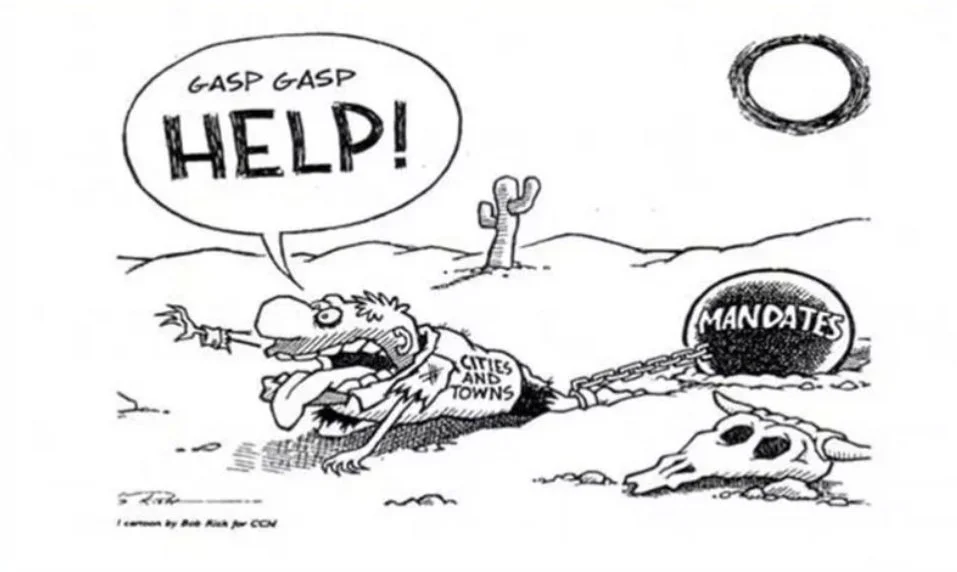
Unfunded Mandates = Unfunded Madness for Special Education Part 1
Unfunded mandates in special education create financial challenges for schools and districts, leading to reduced quality of services for students with special needs. Educators struggle to comply with increasing demands without adequate funding. This article explores the impact of unfunded mandates, legal implications, and strategies for addressing the challenges. Advocating for policy changes to support special education programs nationwide.

Sensory Integration: 3 Ideas to help students on the Autism Spectrum
Autism is sometimes marked by the inability to integrate multiple sensory input at one time. When one considers the sensory society in which we live, it is easy to understand how overwhelming it can be for those with a sensory processing disorder to make sense of their worlds. Here are 3 ideas to help students with multimodal input.

Autism: a part of an Individual, but not the Whole
Now, more than ever, the focus needs to shift from autism awareness towards embracing autism acceptance. It's essential to move beyond simply understanding the existence of autism and instead, work towards creating a world that fully accepts and accommodates individuals on the spectrum. I offer 3 suggestions to aid in this change from awareness to acceptance.

4 Questions to Ask as a Special Education Admin
These four questions will help you self assess your district’s policies, procedures, and practices. If you are looking for third-party help in performing a full audit, proactively understanding any holes in your program, please contact me!

Just give him the doughnut!
As caregivers, we can get caught in the traps of always giving in to what the child or student wants or our immediate answer is "No, you can’t have that.” Rather than falling into either trap, can we consider a more impactful way to navigate our child’s or student’s request for what they want and then be proactive rather than reactive to their requests?